Product Overview
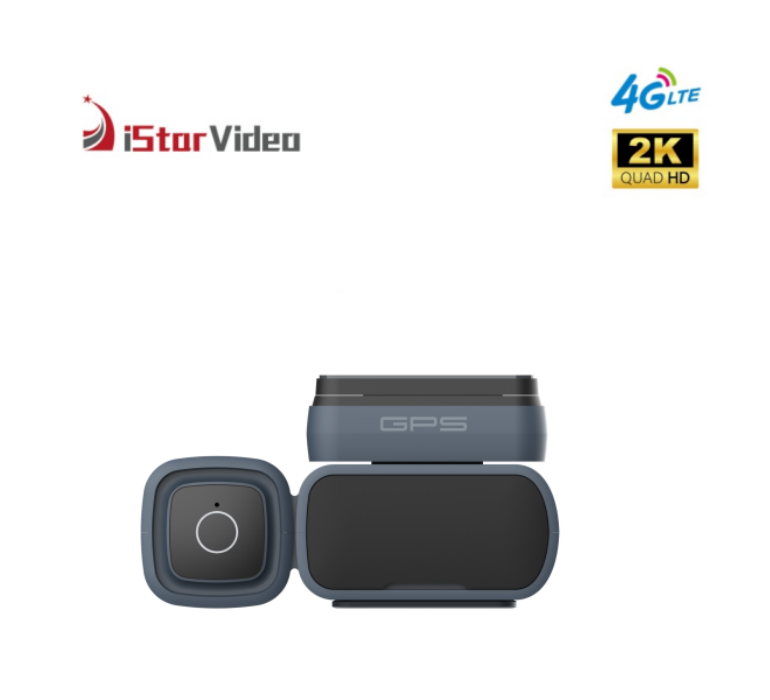
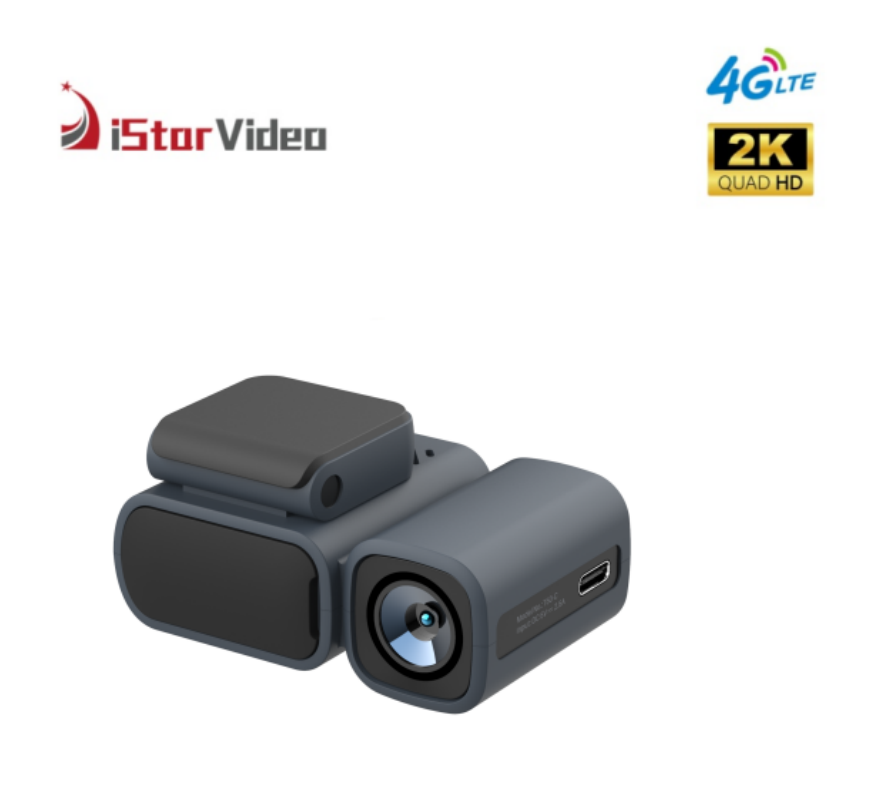
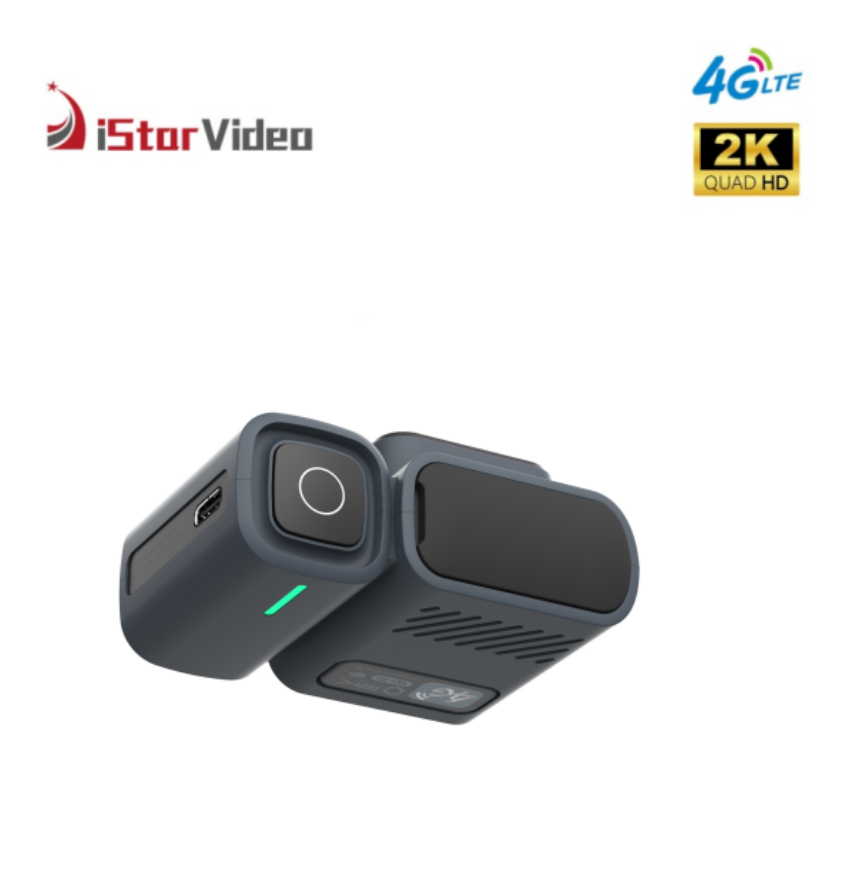
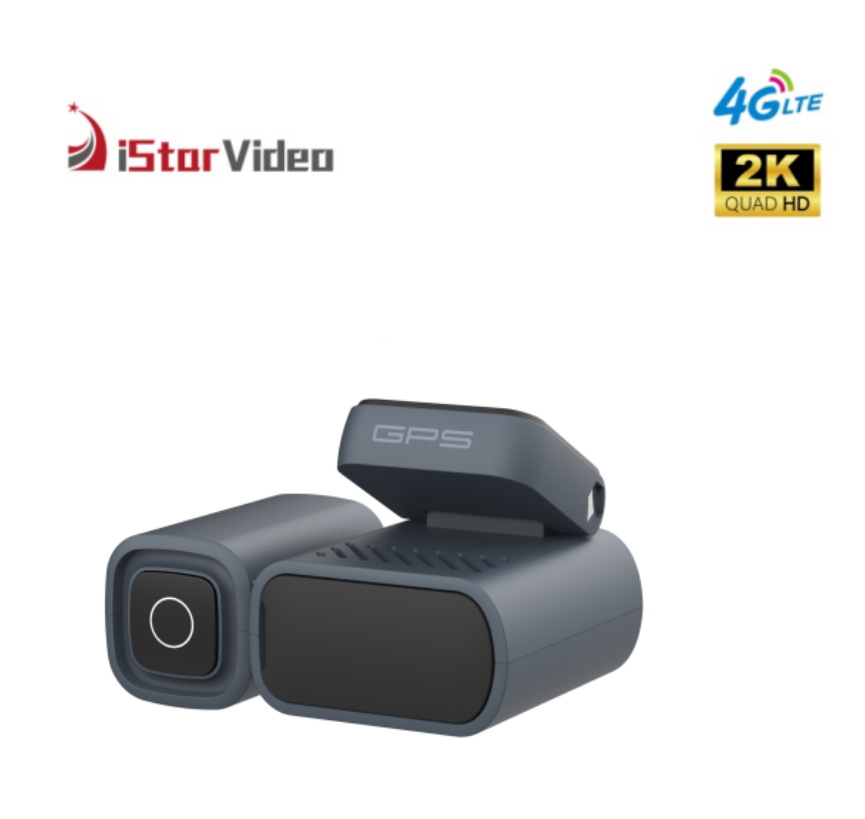
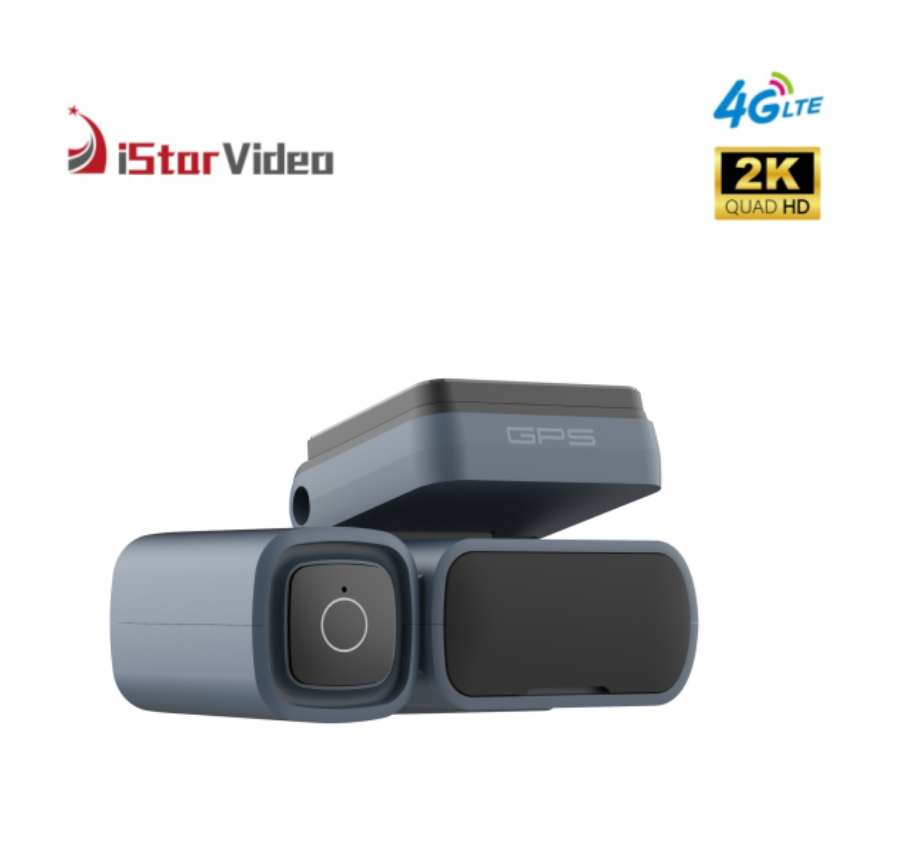
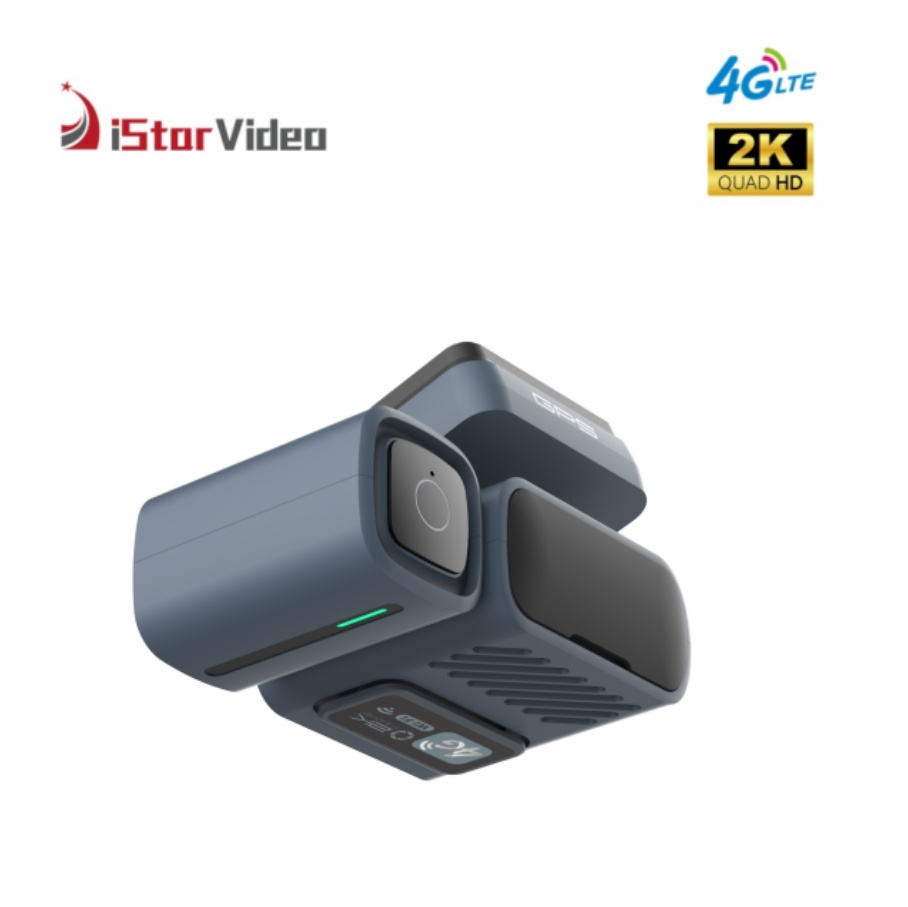
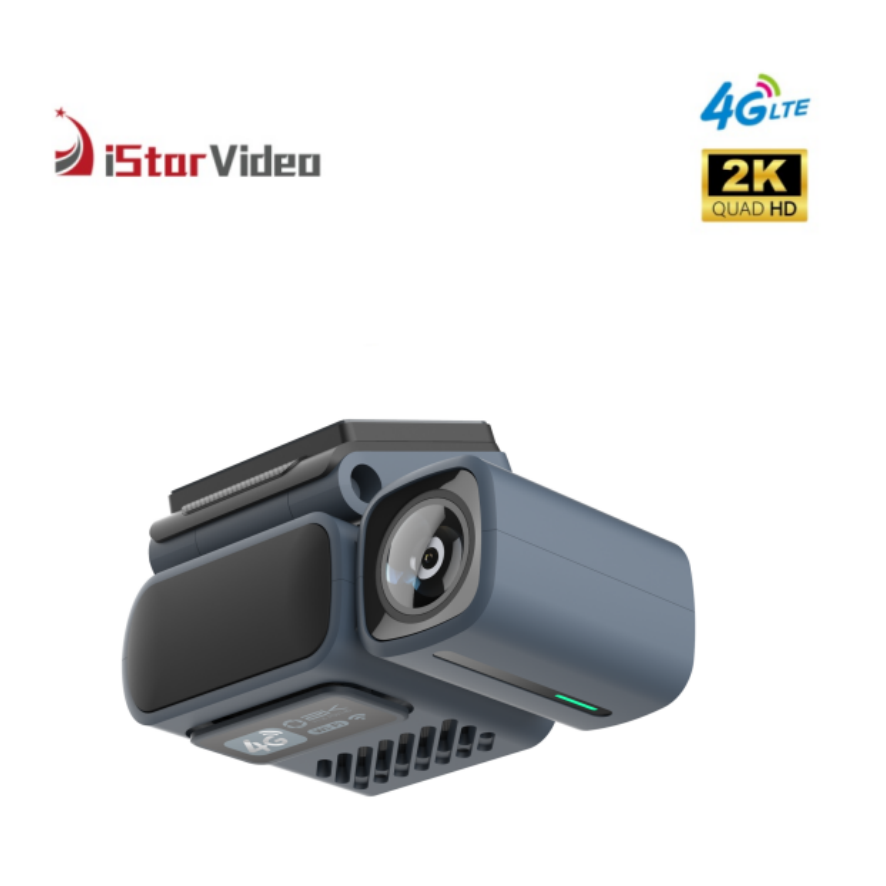
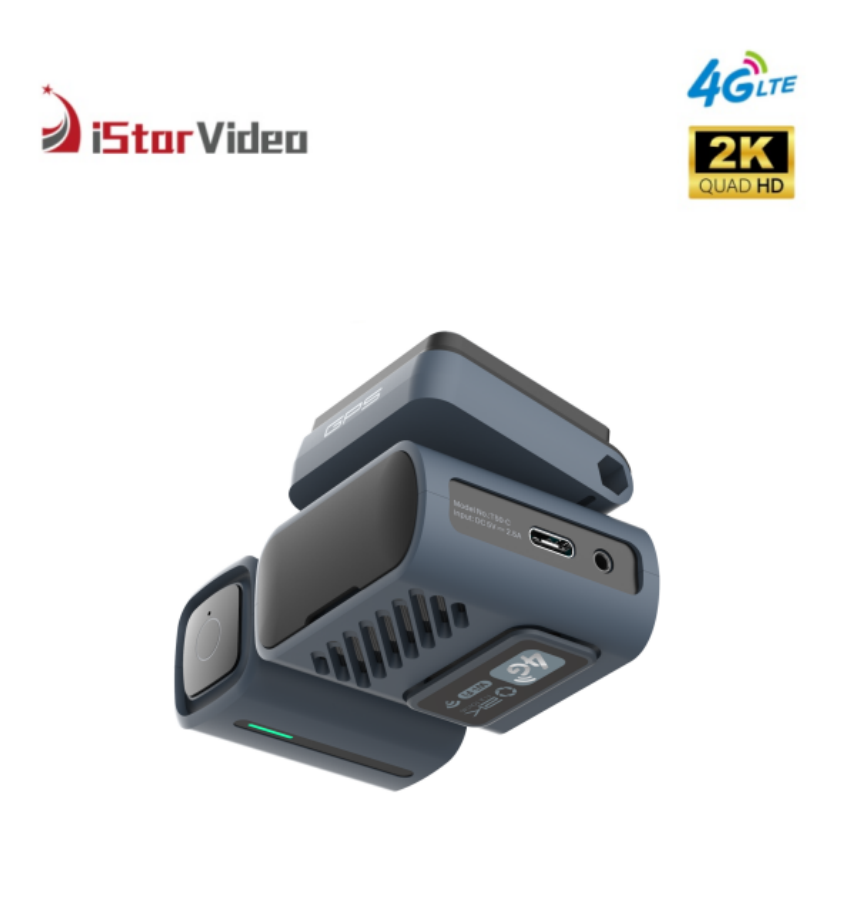
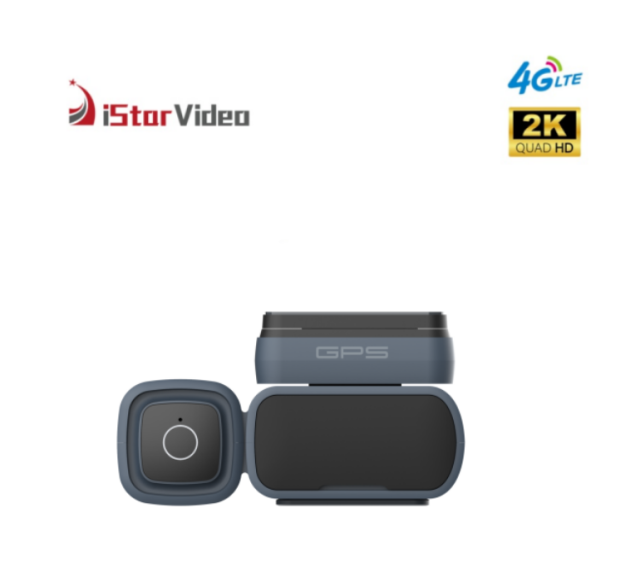
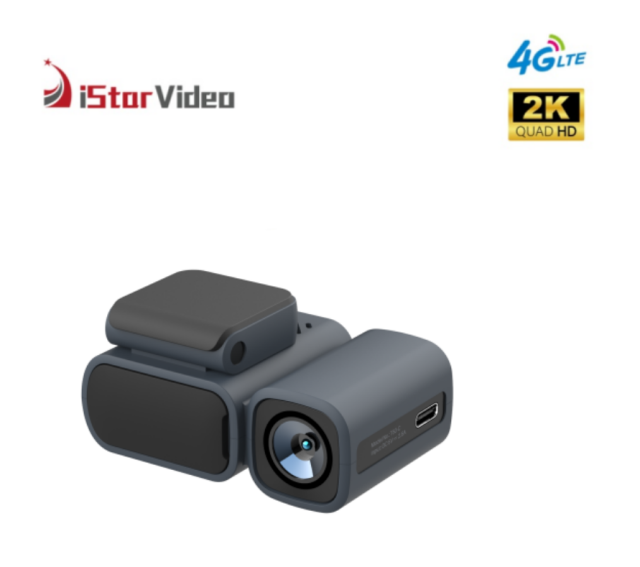
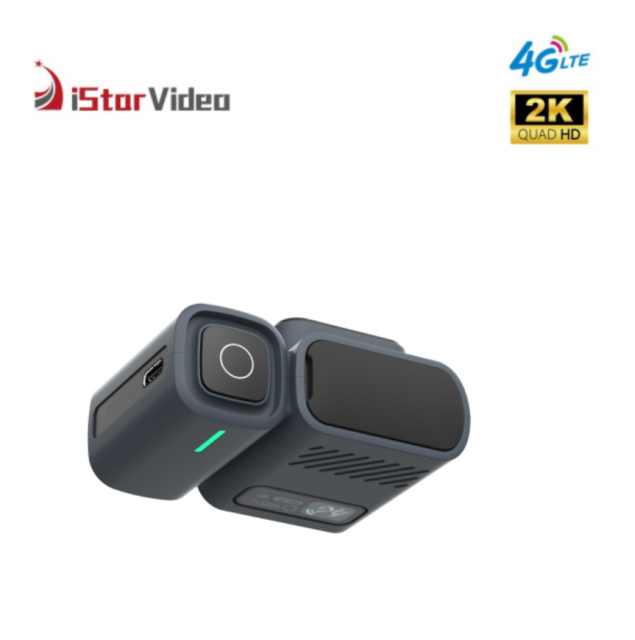
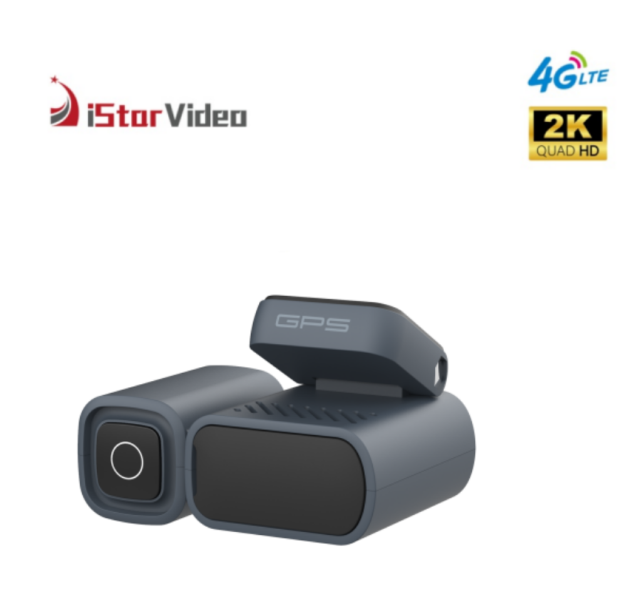
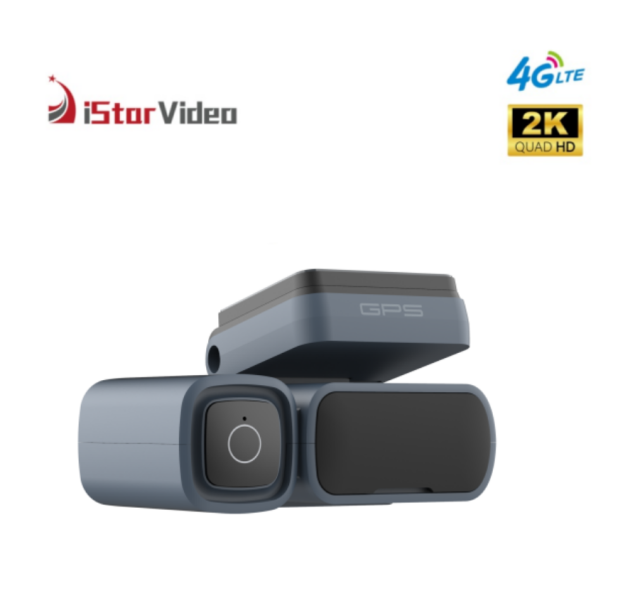
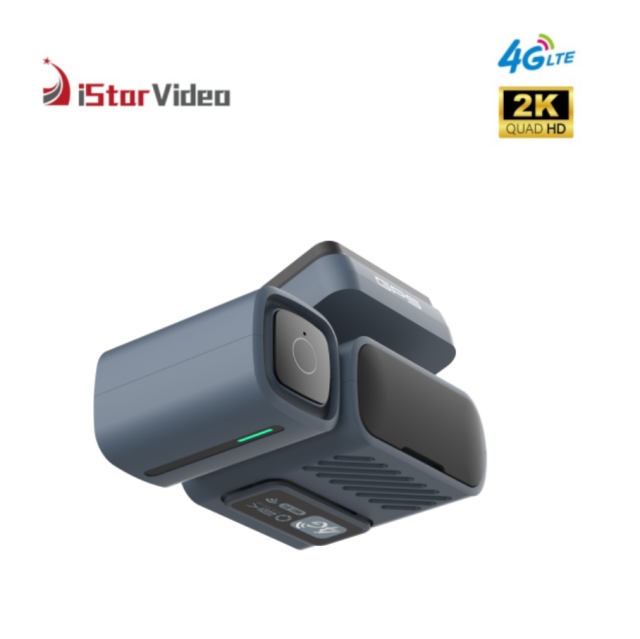
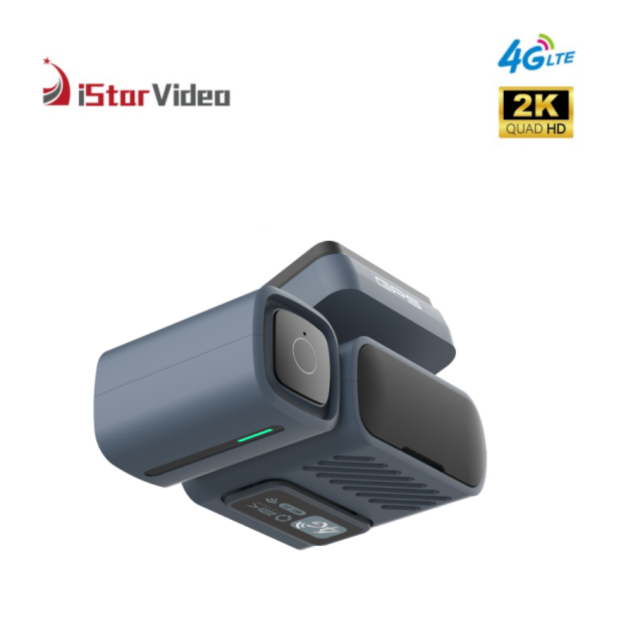
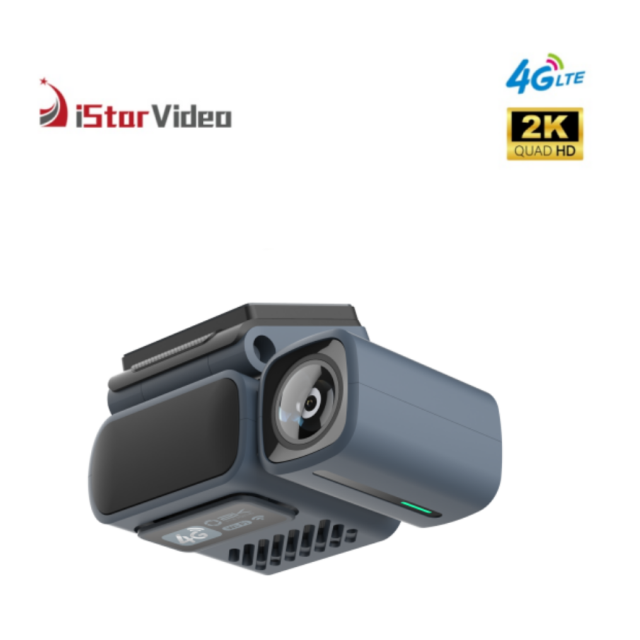
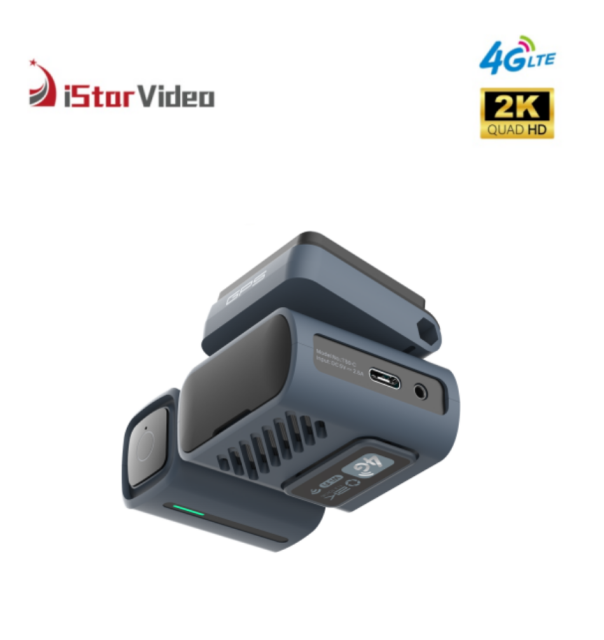
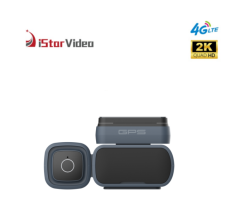
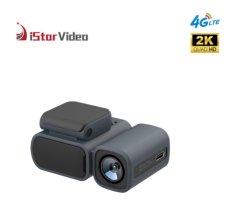
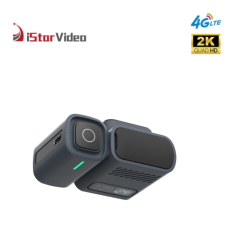
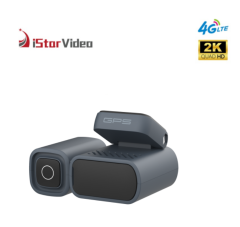
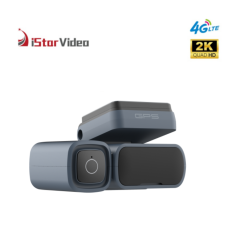
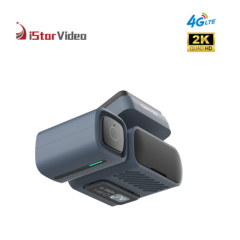
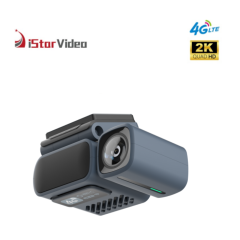
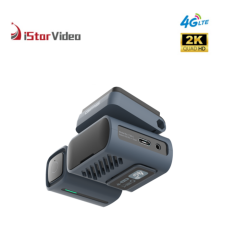
This is a 4G dual lens dash cam for operators who have to account for a vehicle long after it has left the yard. The road-facing camera records in true 2K through a 130° ultra-wide lens; the cabin-facing camera records in 1080P with infrared illumination, so an interior clip taken at night is still evidence rather than a dark rectangle. Both channels run at 30 frames per second at the same time, which means one incident becomes one pair of clips on a shared timeline instead of two recordings that have to be matched afterwards. What changes the job is the LTE side. A dispatcher opens the app or the PC platform, looks into a named vehicle, speaks to whoever is inside it, and gets an alert when something happens — without waiting for the driver to call in. GPS adds the second half of the record: where the vehicle was, and how it was being driven. The hardware is a compact, modular block with the GPS module mounted on top and the control button on the side, so it sits in a truck cab as easily as in a passenger car. Typical deployments are long-haul trucks where driver fatigue and cargo security both matter, passenger vehicles where the interior has to be watched, delivery vans whose parking bay is the exposed part of the day, and single private vehicles that need remote oversight without a depot behind them. - True 2K on the road-facing channel. A 130° ultra-wide lens keeps your own lane, the two beside it and the road signs in one frame, which is the detail a claims handler asks for first. - 1080P cabin camera with infrared. The interior view is lit for darkness, so passengers, seat positions and load condition stay visible on a night shift or in an unlit cargo area. - Both channels at 30 fps, simultaneously. Road and cabin are recorded on the same clock, so an incident is reviewed as one event rather than two files lined up by hand. - WDR exposure control. Tunnel exits, low winter sun and oncoming headlights are where weak footage fails; wide dynamic range keeps the bright and the dark parts of the frame readable at the same time. - Super night vision. Early depot moves and late returns come back with enough contrast to identify a person or a vehicle behind the glass. - G-sensor event lock. On an impact or a hard stop the current clip is protected, so loop recording cannot overwrite the part you will need. - One discipline per vehicle. With a single fleet dash cam writing both views, supervisors review one timeline per vehicle instead of chasing two devices and two card downloads.
Connectivity & Remote Oversight
A 4G dash cam for fleet monitoring lives or dies on the connection, so this model carries both 4G LTE and Wi-Fi. LTE is the link that matters once the vehicle is on a route: live video streams to the CloudiCar app or to the PC platform, event clips and notifications travel back over the mobile network, and the same connection carries the two-way audio channel. Wi-Fi is the local route — useful in the yard for pulling loop recordings off the card without spending mobile data. Two-way talk is the part supervisors reach for most. While the vehicle is connected to LTE you can speak to whoever is in the cabin, whether that means briefing a driver, checking on a passenger or making your presence known to someone standing beside a parked vehicle. Alerts arrive without anyone opening the app, so a geofence breach or an alarm event reaches the phone that is on duty rather than sitting in a report the next morning. Open API support lets the device pass data to a third-party telematics platform, so your operations team can keep the dashboard it already uses. One practical note before you roll out: live view, cloud uploads and notifications all consume mobile data. Size the SIM plan against the number of vehicles and how often your team opens a live feed.
4G vs Non-4G Comparison
| Capability | Dash cam with 4G | Dash cam without 4G |
| Dual-facing camera recording | Yes | Yes |
| Live view | Yes | No |
| Two-way talking | Yes | No |
| Instant notification | Yes | No |
| GPS location | Yes | Yes |
| Cloud storage | Yes | No |
| Video download | Cloud event videos need a 4G data connection to download; loop recordings on the card download in Wi-Fi mode | Card recordings only, downloaded in Wi-Fi mode |
Storage & Video Retrieval
- Record to the card. Footage is written to a microSD card of up to 256 GB; match the capacity to how many days a vehicle runs between downloads and how much of that time you want to keep.
- Let loop recording keep it current. When the card fills, the oldest material is replaced, so the unit keeps recording without anyone swapping cards mid-route.
- Send events off the vehicle. With cloud backup enabled, event clips are pushed over 4G as they happen, so a copy exists away from the vehicle before it returns to the yard.
- Choose the right download route. Event videos held in the cloud need an active 4G data connection to download; standard loop recordings stored on the card are downloaded in Wi-Fi mode.
- Use time-lapse where the vehicle stands still. Time-lapse recording covers long parking periods without filling the card at the normal frame rate.
- Pull the clip the same day. Once footage is exported for an insurer or an internal case file, store it with the vehicle ID, date and incident reference so it can be found again.
- Replace cards on a schedule. Continuous recording wears a card out, so use one rated for constant write duty and reformat it at each service interval rather than waiting for a failure.
GPS Tracking & Alerts
- Real-time GPS tracking. Each vehicle's position is reported continuously, so a route can be reconstructed for a customer dispute, a late delivery or a driver's account of the day.
- Geofence alarm. Draw a depot, a customer site or a route boundary and let the platform tell you when a vehicle crosses it, instead of finding out from a phone call.
- Overspeed alarm. Speeding events are recorded as they happen, which gives a safety manager something concrete to coach against and a documented trail for compliance reviews.
- SOS alarm. A driver can raise an emergency signal from the vehicle and the alert reaches the people monitoring the fleet.
- Anti-theft and parking alerts. Movement while the vehicle should be standing still is reported, which is the difference between noticing a theft that night and reading about it the next morning.
- Location and video in one record. Because the location track and the footage come from the same unit, an incident can be reconstructed as a place and a moment, not just as a picture.
- A fleet dash cam that documents the shift. Across a month, route history, speeding events and recorded footage build the file that insurers, auditors and customers ask for.
Installation & Fleet Rollout
- Choose the mounting position. Put the front unit high on the windscreen behind the mirror, aim the cabin camera at the seats and load area, and leave a clear view of the sky for the GPS module on top of the body.
- Fit the hardware. Mounting hardware and installation instructions are supplied with the unit, and the same arrangement suits trucks and passenger cars, so a mixed fleet does not need two fitting procedures.
- Insert the SIM and the memory card, then power up. Check the status light and let the unit find a GPS fix before the vehicle goes anywhere.
- Pair the vehicle to the app. Confirm that live view opens and that the location is reporting — the five-minute check that saves a diagnostic visit later.
- Set the rules for that vehicle. Geofence boundaries and overspeed thresholds are configured per depot or per vehicle class, so a van and a tractor unit are not judged against the same number.
- Roll out with one configuration. Apply the same profile across the batch so reports and alerts stay comparable between vehicles.
- Brief the drivers. Explain what the cabin camera covers, how two-way talk works and how the SOS alarm is raised; a fleet that understands the equipment stops treating it as a hidden monitor.
Applications & Vehicle Fit
- Long-haul trucking and logistics. This is where a 4G dash cam for fleet monitoring pays back fastest: driver-facing evidence for fatigue or distraction claims, road-facing evidence for collisions, and a live view when a dispatcher needs to see the cab rather than phone it.
- Public transport and passenger coaches. The infrared cabin camera keeps the interior readable after dark, which is the shift where passenger incidents are hardest to reconstruct.
- Ride-hailing and private car services. Dual coverage protects both the driver and the passenger account, and two-way talk lets an operator check on a driver who has stopped responding.
- Last-mile delivery vans. Geofences around depots and delivery zones confirm arrivals, and parking alerts cover the part of the day when the van stands loaded.
- Yards, depots and parked vehicles. Parking monitor and low battery protection keep watch while the vehicle is off shift and report movement it should not be seeing.
- Private vehicles and small operators. The same hardware scales down to one or two vehicles, where the value is remote oversight without a control room.
Specifications
| Parameter | Specification |
|---|
| Connection | 4G LTE + Wi-Fi |
| Front camera | True 2K, 130° ultra-wide lens |
| Rear camera | 1080P with infrared night vision |
| Dual-channel recording | 2K + 1080P at 30 fps |
| Processor | AX620QZ ARM Cortex-A53, 1.2 GHz quad core |
| Operating system | Linux 4.19 |
| Video encoding | H.265 |
| Image processing | WDR, super night vision |
| Sensors | G-sensor |
| Storage | microSD card up to 256 GB |
| Remote access | Live video via mobile app or PC platform |
| GPS | Real-time tracking, geofence and overspeed alerts |
| Alarms | SOS, anti-theft, parking, geofence, overspeed |
| Recording modes | Loop recording, parking monitor, time-lapse, low battery protection |
Wholesale & Customization
Most of our buyers are not ordering one camera. They are building a line: distributors who want a dual-lens 4G model on the shelf, importers supplying fleet customers, and brand owners who want the hardware carrying their own identity. That is what our wholesale 4G dash cam programme is for. We work as an OEM/ODM partner rather than a catalogue house, packaging customization is available for bulk orders, and our team works alongside yours on branding and packaging design so the unit arrives looking like your product rather than ours. Configuration is settled before production, not after. Tell us the vehicle types you are fitting, the market you sell into and the branding you need, and we will confirm what belongs in your build.
Ordering & Delivery
- Order quantity. Minimum order quantities move with configuration and customization, so confirm the figure for the exact build you want before planning a launch.
- Lead time. Production and delivery timing depend on quantity, customization and the shipping method; ask for the current schedule when you send your enquiry.
- Payment terms. Payment method and terms are agreed with your sales contact as part of the order.
- Packing. Packaging can be customized for bulk orders where agreed; confirm carton marking, inner packing and quantity per carton with the team.
- Shipping. Shipping method and destination terms are quoted per order — tell us the port or address and we will confirm the route.
- Warranty and after-sales. Warranty cover and the handling of defective units should be agreed in writing before shipment; ask your sales contact for the current terms.
- Technical documents. Request the user manual, catalogue and any technical files you need for your market at the time of ordering.
- SIM and data plan. The mobile data plan behind live view and cloud features is arranged by the operator; confirm the SIM form factor and plan you intend to use with us before deployment.
Scale & Supply Capability
We build in our own factory, with six production lines and a workforce of more than 100 people, which gives us a monthly output of 30,000 PCS for buyers who need volume without long waits. Around 50 engineers, most with over ten years in the field, run our OEM and ODM projects, and our in-house developers release new models every year. Tell us the branding, packaging and configuration you need, and we will plan production, stock and shipment around your order schedule.
FAQ
What connectivity does this model give us for fleet management?
Both 4G LTE and Wi-Fi are built in. LTE carries live video to the CloudiCar app or the PC platform, delivers alerts and event notifications, and supports two-way audio to the vehicle. Wi-Fi is the local route, used in the yard to pull loop recordings off the memory card. For a 4G dash cam for fleet monitoring that split matters: remote work runs on the mobile network, bulk downloads run locally.
Can the cabin camera identify someone at night?
Yes. The interior camera records in 1080P with infrared illumination, so a dark cab or an unlit cargo area still produces a usable image. Wide dynamic range processing handles the harder case — a bright forecourt outside and a dark interior in the same frame.
How is recorded video stored, and how do we get one clip out quickly?
Footage is written to a microSD card of up to 256 GB, with loop recording replacing the oldest files as the card fills. With cloud backup enabled, event clips are uploaded over 4G while the vehicle is still out. Event videos held in the cloud need a 4G data connection to download, while standard loop recordings on the card download in Wi-Fi mode. Pull the clip as soon as the incident is known and file it with the vehicle ID and date.
How much work is installation across a mixed fleet?
The dual lens dash camera arrives with the mounting hardware and installation instructions, and the same unit fits trucks and passenger cars. In practice you mount it, insert the SIM and card, power up, confirm the GPS fix and live view in the app, then set geofence and overspeed rules for that vehicle. Most of the effort sits in the first vehicle; the rest of the batch repeats the same profile.
Can we talk to a driver while the vehicle is moving?
Yes, as long as the unit has an LTE connection. Two-way audio runs through the app, so a dispatcher can speak to whoever is in the cabin and hear the reply. The same channel is useful when the vehicle is parked — speaking through the camera is often enough to send someone away from a loaded fleet dash cam.
Will it work with the telematics platform we already use?
The unit runs embedded Linux on a quad-core ARM Cortex-A53 processor and supports open API integration, so data can be passed to a third-party telematics platform instead of being locked to one dashboard. What that looks like in practice depends on the platform you run, so share the details with our team and we will confirm the integration path before you order.
What happens to the recording when the vehicle is parked?
Parking monitor keeps the camera working while the vehicle is off shift, and low battery protection stops it from draining the vehicle battery. Movement alerts and anti-theft alarms are reported, and with LTE connected you can open a live view and speak through the unit. That is what makes a 4G dual lens dash cam useful outside working hours.